When the shoe is hot and the arvo crowd is thick, a little extra action on the felt can change the mood of a whole session. We’ve walked six pre-openings across Asia-Pacific and run eight properties, and the pattern is the same everywhere: side wagers live or die on clear rules, fair payout maths, and how the game actually behaves on a phone. If you’re after blackjack side bets explained without the marketing gloss, this is the practical walkthrough of how a player hits the felt, reads the offer, and decides whether the extra spin is worth the extra coin.
What Side Bets Actually Do to the Table
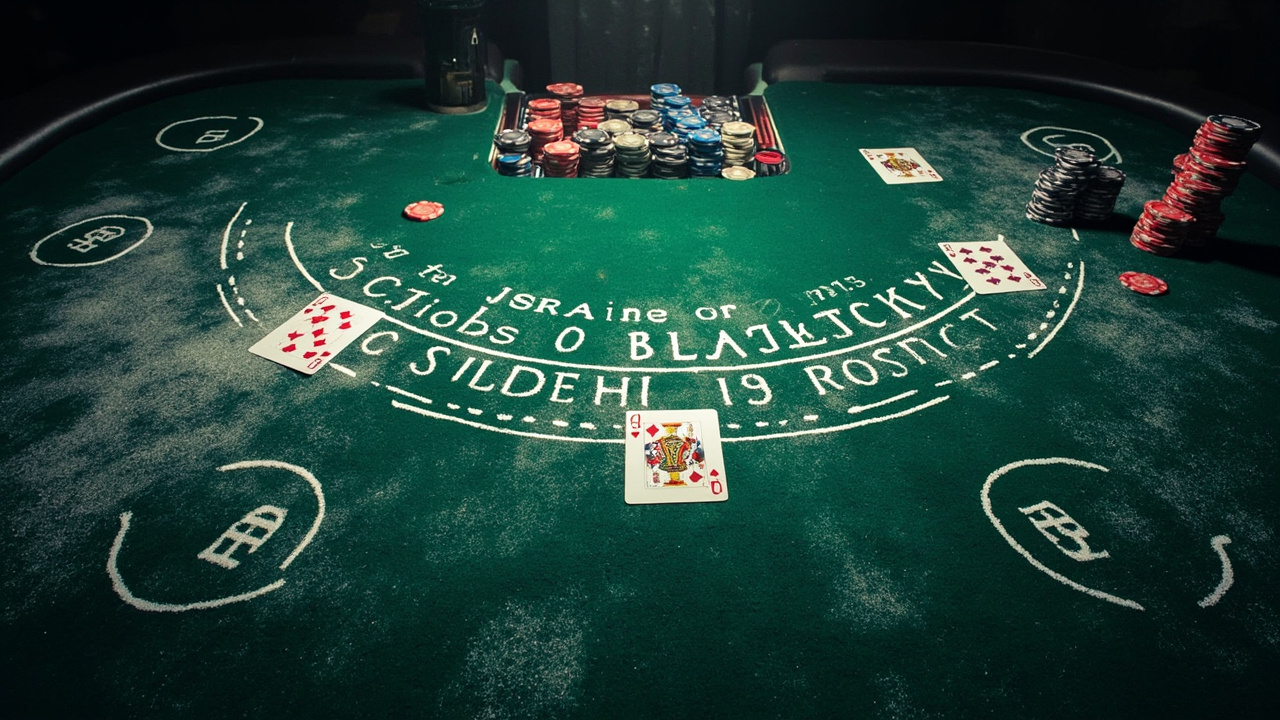
A side bet is a separate wager that pays out on its own trigger, independent of whether you win your main hand. You place it in its own marked spot, the dealer checks it against its own condition, and it settles before or alongside the main bet. The catch is that the house edge on these extras is usually higher than the base game, because the payout is masking a lower hit frequency.
I’ve watched regional New South Wales floors where a single Lucky Lucky or Perfect Pairs table drew a queue at 2pm on a Tuesday, simply because the signage was clean and the payouts were printed in plain English. That’s the lesson: clarity beats cleverness every time. If the trigger is buried in a footnote, players won’t trust it, and they’ll drift back to the main bet or walk.
On the mobile side, the same logic applies. A responsive layout has to show the side-bet zone, the trigger, and the payout without a pinch or a scroll, especially when you’re playing in a browser on a train or in a pub with spotty reception. Performance matters because a laggy deal breaks the rhythm, and side bets are rhythm games as much as maths games.
- Read the trigger first, not the payout.
- Check whether the side bet is resolved before or after the main hand.
- Note the hit frequency, not just the top prize.
- Confirm whether the wager is capped per hand or per round. king johnnie kash
How a Player Actually Encounters and Uses Side Bets
The first time you sit down, the side bet is usually its own circle or rectangle on the felt, sometimes labelled with the game’s name and a short payout strip beside it. You drop chips or tap the marked zone on screen, the dealer or the software notes the wager, and play continues. Nothing else changes on your main hand, which is the point: it’s a parallel bet with its own outcome.
On a well-built mobile table, you’ll see the side-bet panel respond immediately when you tap it, with the stake selector sliding into view without reloading the deal. I’ve run floors where a clunky app forced players to open a separate window to place the extra wager, and the drop-off was immediate – people just didn’t bother. A clean mobile-first fit means the side bet is one tap, the stake is obvious, and the payout table is visible before you commit, not after.
The conversation I keep having with new operators goes like this: a journalist will ask whether a flashy bonus mechanic makes a side bet more attractive, and the answer from the floor is always the same – not really. I’ve seen properties in Asia-Pacific launch with stacked bonus features on side wagers, and within a month the tables were quiet because players couldn’t tell what paid what. What actually holds attention is a plain payout table, a visible trigger, and a stake that matches the table’s vibe. On a $25 minimum table, a $5 side bet feels natural; on a $5 table, a $2 side bet is the comfortable spot. Anything higher and you’re paying for entertainment, not edge.
The verification and registration flow also shapes whether people stick around. A short sign-up that asks for the basics, confirms age, and gets you to the felt in a couple of minutes is the difference between a curious browser and a seated player. Payments in AUD, clear limits, and a support line that answers during busy hours keep the session moving. I’ve seen loyalty tiers that reward side-bet play with points or small perks, but only when the earning rate is written plainly – otherwise it reads like noise.
| Side bet type | Typical trigger | What to check before wagering |
|---|---|---|
| Pair-based bets | First two cards form a pair | Suit vs. any pair payout gap |
| Card-total bonus | Player or dealer hand hits a set total | Whether the total is checked before or after the main result |
| Special hand bonus | A named combination appears | Hit frequency, not just the top prize |
| Suited or coloured variants | Cards share suit or colour | How often the trigger actually lands at your stake level |
Who the Extra Wager Fits On the Felt
If you like a bit of variety and don’t mind paying a small premium for a different kind of thrill, side bets have a place. They suit players who are already comfortable with the main game and want a separate line of action that doesn’t change how they play their hand. They’re also a good fit for sessions where you’re settling in for a while and want a few extra moments of anticipation between deals.
They’re less suited to tight bankroll players who are chasing a low-edge game, because the extra wager usually shifts the maths in the house’s favour. If your aim is to stretch a session and keep decisions simple, the main bet is the cleaner path. If your aim is a bit of side action with a clear payout and a known trigger, a measured stake on a well-signed table can be a fair bit of fun.
I’ve sat with players in regional New South Wales who treat a small side wager like a coffee-and-a-chat expense – a few dollars for a moment of anticipation, nothing more. That’s a sensible way to approach it. You’re buying a different kind of seat at the table, not a shortcut to the top.
Closing Thoughts
Blackjack side bets explained properly come down to three things: a trigger you can read in seconds, a payout you can verify before you tap, and a stake that matches the table you’re actually sitting at. On a responsive mobile table with AUD payments, clear limits, and support that answers when the room gets busy, the extra wager is just another line on the felt – worth it when you understand the maths, not worth it when you’re guessing.