Position sizing in Open Face Chinese Poker keeps you in the game longer than chasing big blinds ever will. I have watched Australian players blow through sessions by overcommitting on weak top rows, then wonder why their rolling balance thins out by the arvo. A disciplined bankroll treats each hand like a measured cost, not a lottery ticket, and that mindset separates casual dabblers from players who stay profitable across months. This guide walks through the questions you should weigh before you stake a single card, with a clear focus on how your bankroll decisions shape retention and long-term value.
How Much Should You Allocate Before You Start Playing
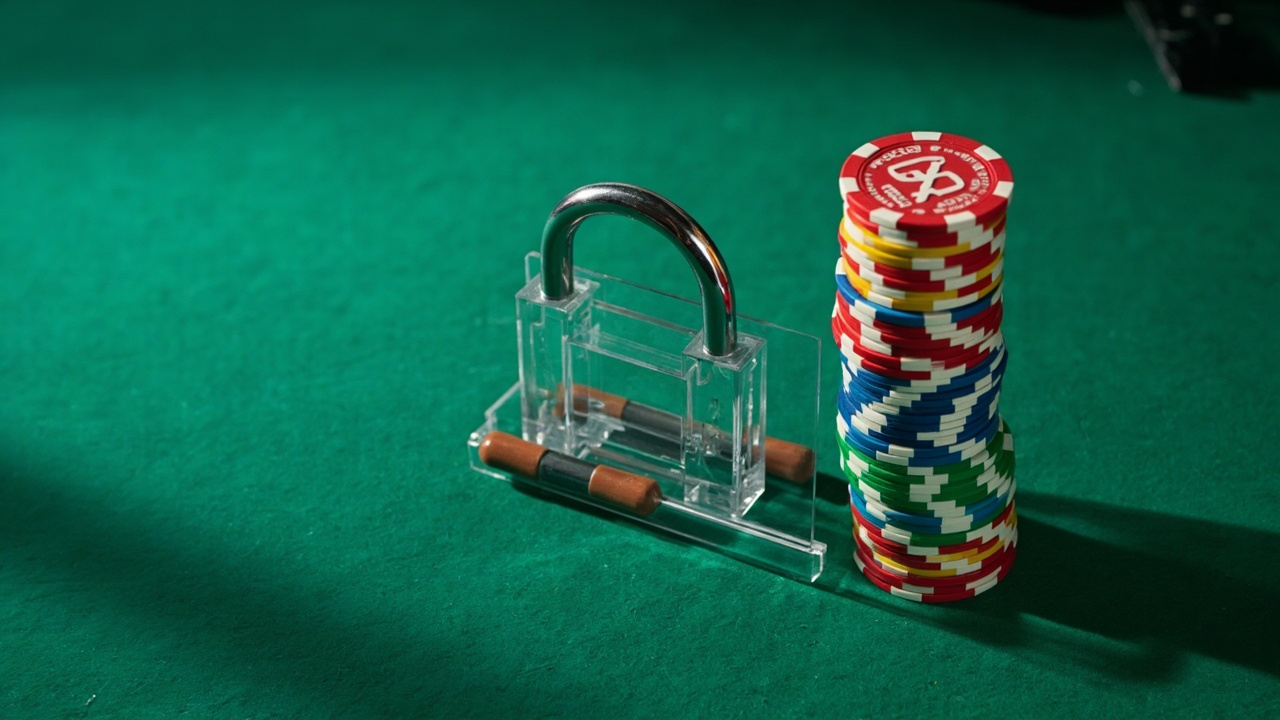
Your starting allocation should match the stakes you actually intend to play, not the ceiling you hope to reach someday. In my work managing high-value iGaming portfolios, I compare bankroll allocation to CRM segmentation: you do not throw the same retention budget at a casual browser and a whale, because the risk profiles and expected lifetimes differ too much. Apply that same judgement here. If your typical Open Face Chinese Poker session runs at micro stakes, a bankroll of two to three hundred units gives you enough cushion to absorb variance without tilting. If you move up to higher blinds, the cushion needs to stretch accordingly, because a single bad distribution across three rows can wipe out a week of careful play.
The right figure depends on how often you sit down and how many positions you run simultaneously. Players who open one hand at a time can operate with a tighter allocation, while multi-table regulars need a broader buffer to survive the extra variance. I usually advise players to set a hard floor before they register, then treat anything below that floor as a signal to step back rather than chase losses. That discipline matters more than any flashy lobby feature or bonus mechanic, because it keeps your session data clean and your decisions unclouded by desperation.
| Stake Range | Recommended Bankroll | Session Cadence | Variance Buffer |
|---|---|---|---|
| Micro blinds | 200-300 units | Once or twice a week | Moderate |
| Low blinds | 400-600 units | Several sessions a week | Higher |
| Mid blinds | 800-1,200 units | Regular multi-table play | Substantial |
| Higher blinds | 1,500+ units | Frequent, disciplined play | Large |
What Questions Should Shape Your Bankroll Decisions
The first question is how much variance your temperament can actually absorb. Open Face Chinese Poker throws unexpected queens and broken royalties at you regularly, and a bankroll that looks generous on paper can still feel punishing if you are the type who tightens up after a bad beat. I have seen players treat a thin buffer like a personal failure, then overcompensate by playing too aggressively on the next hand. That reaction costs more than the original loss, because it corrupts the very decision-making process your bankroll is supposed to protect.
The second question centres on your time horizon and session cadence. A player who logs on for a short session after work needs a different allocation than someone who runs multiple tables across a weekend. If you are flat out like a lizard drinking during the week and only find time for a quiet arvo session, your bankroll should reflect that intermittent rhythm rather than pretending you are a full-time regular. I often tell players to map their actual calendar first, then size their allocation to the real pattern, because pretending otherwise just creates artificial pressure on every decision.
The third question is whether you can separate bonus mechanics from genuine bankroll health. Some lobbies offer deposit matches or free-play credits that look attractive on the surface, but those incentives only help if they do not distort your staking discipline. I have managed player portfolios where bonus-chasing behaviour quietly eroded lifetime value, because players treated matched funds as extra risk capital instead of a temporary boost. If you want to test a new lobby without exposing your core balance, a controlled free-play session can reveal how the hand distribution and scoring feel before you commit real money. You can try that approach through wanted dead or a wild free play, which lets you gauge the lobby’s rhythm without touching your main allocation.
The fourth question is how you will handle a losing streak without breaking your own rules. A bankroll only works if you respect the floor you set, and that means stepping away when you hit it rather than negotiating with yourself. I compare this to retention work in iGaming: the players who last are the ones who accept a down period as normal variance, not a signal to override their own limits. If you know in advance that a twenty-unit drawdown will make you uncomfortable, either lower your stake size or accept that this bankroll size is not yet aligned with your temperament. wanted dead or a wild free play

Which Players Fit This Bankroll Approach Best
This approach suits players who value consistency over big, unpredictable swings. If you prefer to measure your progress across months rather than single sessions, a structured bankroll gives you a clear baseline and keeps your decisions grounded. It also suits players who already think in terms of unit sizes and position management, because Open Face Chinese Poker rewards patience on the top row and disciplined scoring on the bottom two rows. Players who enjoy calculating royalties and weighing risk across three hands tend to adapt quickly to a bankroll framework, since the game already asks for measured judgment rather than pure aggression.
It is less suited to players who want fast, high-variance action with minimal planning. If you are looking for a game where you can throw a large stack at a single hand and hope for a dramatic flip, this bankroll discipline will feel restrictive rather than helpful. That is not a flaw in the approach; it is simply a mismatch between your playing style and the structure that keeps Open Face Chinese Poker playable over time. The players who get the most out of this framework are the ones who treat their bankroll as a tool for staying in the game, not as a scoreboard for a single afternoon.
A practical fit check is whether you can sit through a rough distribution without changing your stake size on the next hand. If the answer is yes, your bankroll is probably aligned with your temperament. If the answer is no, the fix is usually smaller stakes or fewer simultaneous tables, not a bigger balance and more hope. I have watched that adjustment save more players than any clever scoring trick, because it keeps the game enjoyable instead of turning every session into a stress test.
The right bankroll for Open Face Chinese Poker is the one that lets you play your actual game without constantly worrying about the next bad hand. Size it to your real cadence, respect the floor you set, and treat bonus incentives as optional extras rather than the reason you sit down. If you build that habit early, your sessions stay manageable and your decisions stay clean, which is exactly what a long-term player in Canberra or anywhere else should be aiming for.